
Mahuru 2026 · Suicide Prevention Month
Puāwai Kahurangi
A symbol of aroha, remembrance and healing for whānau and communities impacted by suicide or grief.

Wear it close to your heart
A symbol of aroha and healing
During Mahuru, we acknowledge people impacted by suicide or grief by wearing a Puāwai Kahurangi brooch.
The Puāwai holds the memory of loved ones close to our hearts. It acknowledges a new reality: working through pain, keeping special memories and finding a way forward towards healing and Te Ao Mārama.
This is a call for kotahitanga and positive action. Communities throughout Aotearoa are encouraged to come together, use local resources and make their own Puāwai through koha, kōrero, mahi tahi and connection.

The red stem
The red signifies the pain and loss many experience when losing someone. It also highlights our connection to Papatūānuku.
The blue petals
The blue petals show us that after the tears, there is still a pathway back to Te Ao Mārama and the blue skies of Ranginui.
“Anei he rau harakeke. Mā tō rau, mā tōku rau, ka ora ai te iwi.”— Rongomaiwāhine Mangu, 2023
Watch and learn
The kōrero behind the Puāwai
Discover the meaning held within Puāwai Kahurangi, then hear kaumātua Ron Baker share mātauranga Māori strategies for wellness.
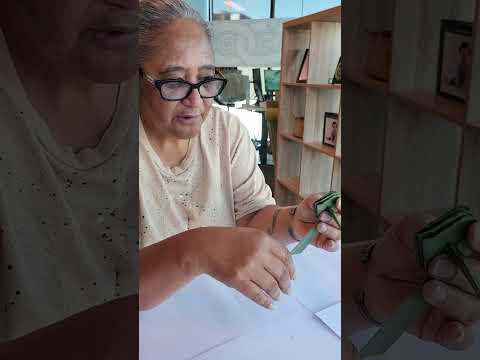
The meaning of Puāwai Kahurangi
Explore the symbolism of the blossom and its message of remembrance, hope and healing.

Puāwai Kahurangi: The Blue Blossom
Whakarongo ki ngā kōrero tuku iho hei tautoko i te hauora o ngā whanaunga e taumaha ana.
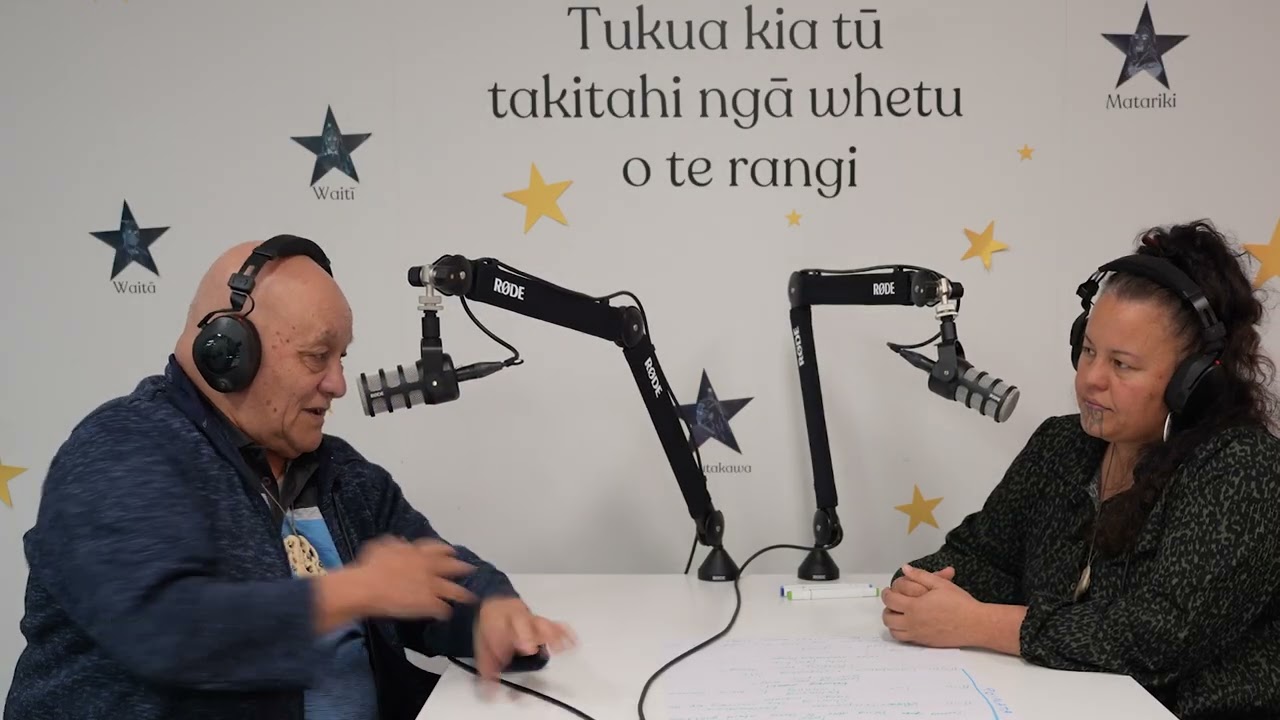
Kaumātua Ron Baker
Mātauranga Māori strategies for wellness in the suicide prevention space.
Bring whānau together
Make your own Puāwai Kahurangi
The Puāwai is intended to be accessible. Use locally available resources, seek the guidance of local weavers and observe tikanga appropriate to your rohe.
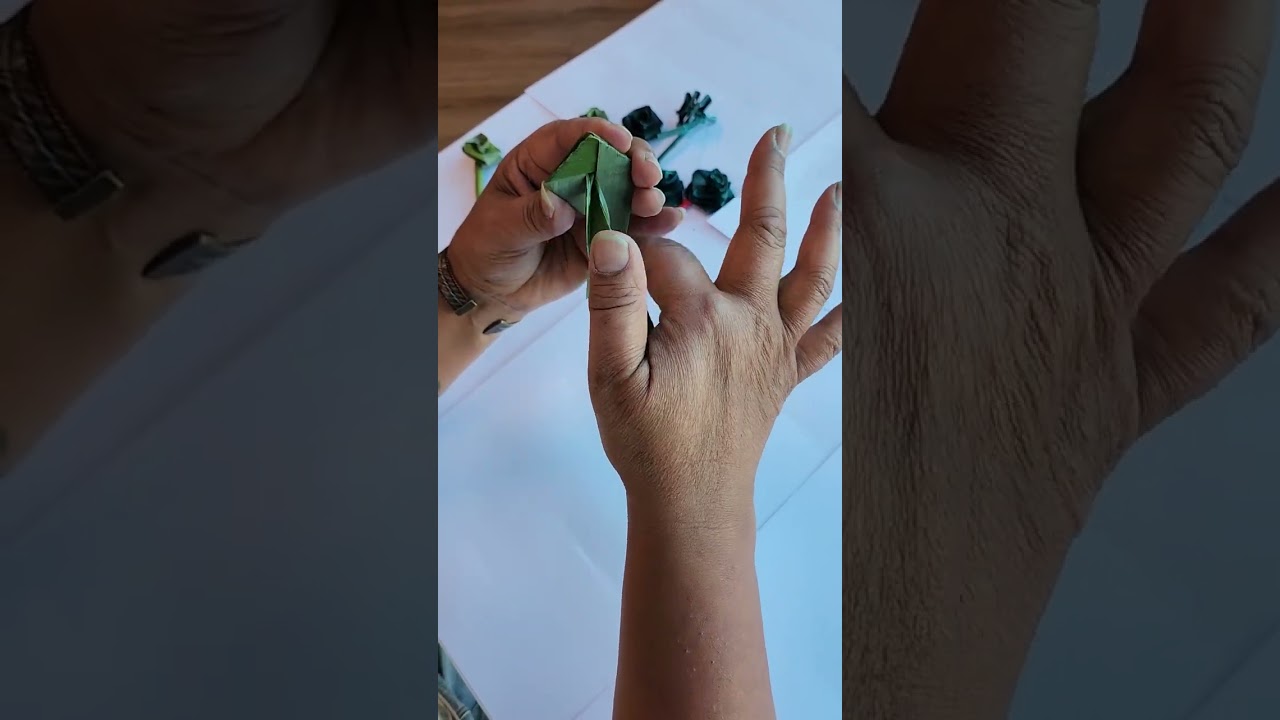
How to make a Puāwai Kahurangi
Follow the step-by-step weaving demonstration to create the blue blossom.
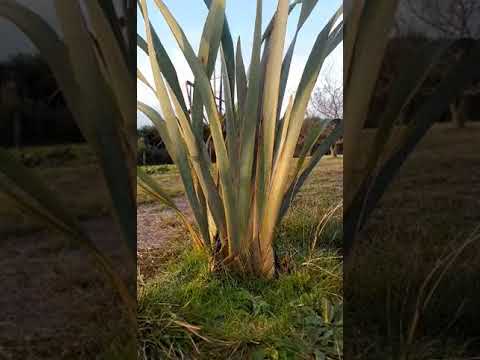
Ngā tikanga o te kato harakeke
Guidance for approaching and harvesting harakeke respectfully.
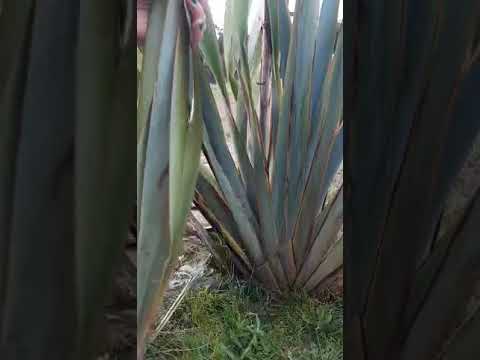
How to cut harakeke
Tracey Brown demonstrates safe and sustainable harvesting.
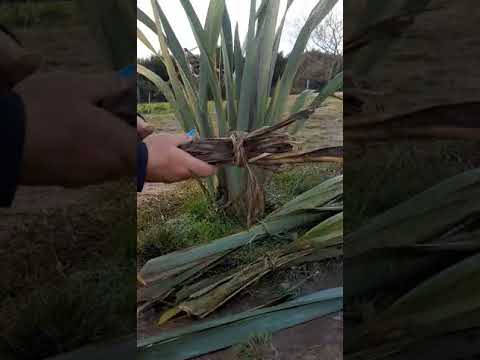
Prepare your rau harakeke
Prepare the harvested rau ready for making your Puāwai.
Preparing and harvesting harakeke
If you have access to a pā harakeke, harvest the rau safely and sustainably. If you are new to harvesting, or do not have access to your own pā harakeke, contact a local weaver for advice about where and how to harvest. Tikanga may vary between rohe.
He karakia mō te tapahi harakeke
E Hineteiwaiwa,
Nāu ko te whānautanga,
Nāu ko te raranga,
Tautokohia mai,
Kia rere tika ai te mahi,
Hei painga mō te iwi.
Haumi e, hui e,
tāiki e!
Keep and share
Instructions and whānau resources
Open each resource in a new tab, then save or print it for your whānau, rōpū or community.

Printable instructions — Part 1
Open and print
Printable instructions — Part 2
Open and print
Helping others
View whānau resource
Marae strategies
View whānau resourceThe whakapapa of the kaupapa
How Puāwai Kahurangi began
The idea for Puāwai Kahurangi—named by Ron Baker NZQSM—came from Rongomaiwāhine Mangu. The day after Anzac Day 2023, Te Ihi Ora: Pō Maumahara was held for whānau and kaimahi in Te Hiku, Kaitaia, who had been impacted by suicide.
Inspired by the Anzac poppy, Rongomaiwāhine created hand-woven putiputi brooches from harakeke, dyed blue and red. They offered whānau a taonga to wear in remembrance of loved ones. During the pō, Ron Baker recognised the depth of meaning held in the putiputi and the impact they had for wearers and whānau.
Understanding the potential of this kaupapa to support whānau healing, he saw that it should be shared throughout Aotearoa. Puāwai Kahurangi has since become a national symbol within the movement for suicide prevention.